

.png)

Content
How AI is changing B2B content marketing beyond "just use ChatGPT"
February 2, 2026

Choosing a B2B content marketing agency shouldn't feel like playing roulette with your marketing budget. Yet most founders treat it exactly that way - scrolling through sleek websites, nodding through sales pitches, hoping for the best.

Here's the thing: the wrong agency doesn't just waste money. It burns time you don't have, creates content that doesn't convert, and leaves your team cleaning up the mess. This guide gives you the practical criteria, uncomfortable questions, and reality checks you need before signing anything. No fluff, no agency-speak - just the framework we'd use if we were in your shoes.
A B2B content marketing agency builds and executes content strategies that drive pipeline for companies selling to other businesses. Think less "viral posts" and more "qualified pipeline that your sales team actually wants to work."
The B2B difference matters. You're not chasing clicks - you're navigating longer, sometimes even year long, sales cycles with multiple stakeholders who need different information at different times. B2C agencies optimize for impulse; B2B agencies optimize for trust, proof, and sustained engagement across buying committees.
The best agencies don't just "do content" - they build systems. Here's what comprehensive B2B content services actually include:
Warning sign: agencies that lead with "we'll write you 20 blog posts a month" before asking about your ICP, positioning, or buyer journey. Volume without strategy is just expensive noise.
Getting this decision right delivers compound returns. Here's what growth-focused benefits look like in practice:
Pipeline quality over quantity. Strategic content pre-qualifies prospects before they talk to sales. Inbound leads who've consumed your content already understand your positioning and have higher intent.
Sales enablement on autopilot. Your reps stop reinventing the wheel with every prospect. Case studies, comparison pages, and technical content answer objections before the discovery call.
Authority that compounds. Every piece of optimized content builds on the last. In 12 months, you're not just ranking - you're the answer AI engines cite when buyers ask questions in your category.
Reduced founder dependency. Good agencies capture your expertise and voice, then scale it. You stop being the bottleneck for every piece of thought leadership.
Speed without chaos. Expert teams ship consistent, high-quality work faster than hiring, training, and managing in-house (especially before you hit 50+ employees and can justify dedicated content roles).

This is where most guides get vague. "Look for industry expertise!" Sure, but how? Here are the specific evaluation criteria that predict success:
AI answer engines are rewriting SEO playbooks. ChatGPT, Perplexity, Google's AI Overviews - they all pull from different ranking signals than traditional search.
What separates good agencies from great: They optimize for being cited, not just ranked. This means inverted pyramid structure (answer first, details after), clear heading hierarchies, structured data markup, and content that directly answers questions in plain language.
Ask potential agencies: "How do you structure content for AI answer engines?" If they look confused or talk only about keywords, keep looking. At Apricot, we build every article AEO-first - short paragraphs, immediate answers, semantic keyword clusters, FAQ schema, internal linking - because that's what gets cited when buyers ask ChatGPT "how do I solve X problem?"
"We'll increase your traffic!" Cool. Will it increase pipeline? Too many agencies optimize for vanity metrics that make dashboards pretty but don't move revenue.
What good measurement looks like: Clear separation of leading indicators (traffic, engagement, time-on-page) and lagging indicators (MQLs, pipeline influence, closed revenue). Attribution modeling that acknowledges complexity - B2B buyers touch 7-12 pieces of content before converting. No single blog post "caused" the deal.
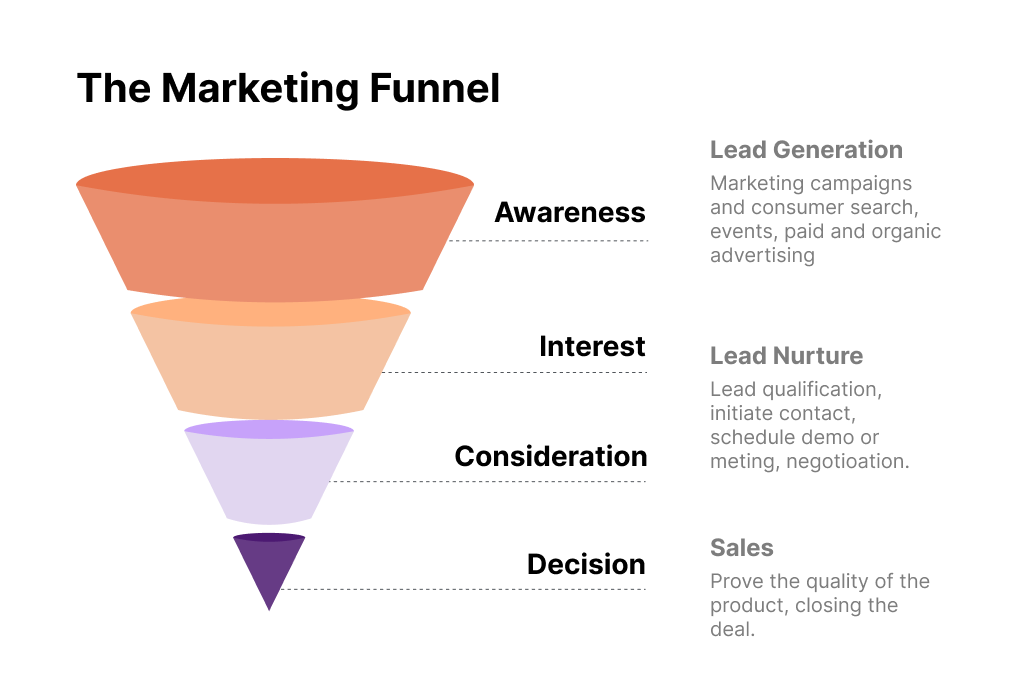
Our approach: We establish measurement frameworks before production starts. Awareness → Engagement → Intent → Pipeline. We track what content assists deals (even if it doesn't get last-touch credit), what questions buyers ask sales that content should answer, and where prospects drop off in the funnel.
Ask: "How do you prove content ROI? What leading indicators predict pipeline impact?" Agencies that can't articulate this are guessing.
Generic B2B agencies write generic content. The best agencies live in your world - they understand technical complexity, buyer objections, competitive dynamics, and category nuances without you explaining everything from scratch.
What to look for: Do they work with similar ICPs? Can they speak credibly about your buyers' problems? Do they have subject matter expertise (SMEs) on staff, or do they rely entirely on you to feed them information?
At Apricot, we specialize in B2B tech - SaaS, dev tools, data infrastructure. We've built content strategies for early-stage founders navigating first growth hires and scaling teams optimizing demand gen engines. That specificity means we ask better questions, catch positioning gaps faster, and produce content that resonates with technical buyers.
Ask potential agencies: "Walk me through how you'd research our ICP and buyer journey." If the answer is just "we'll interview you," that's table stakes, not expertise.
Beautiful content that sits unread on your blog is expensive art, not marketing. Distribution is where strategy becomes revenue.
What separates amateurs from pros: Agencies that treat publication as the finish line versus agencies that treat it as mile one. The question isn't "did we publish?" It's "how does this reach buyers actively searching for solutions?"
Good agencies build distribution into the strategy: SEO so content ranks when buyers search, email nurture sequences that serve relevant content based on behavior, LinkedIn amplification frameworks, sales enablement so reps share content in conversations, and content upgrade paths that move readers deeper into your funnel.
We map every content piece to specific buyer questions and search intents before we write. Then we optimize for organic discovery, build internal linking structures that guide readers to conversion points, and create distribution playbooks for LinkedIn and email. Content that can't be found is content that doesn't exist.
Copy this. Ask every agency. Compare their answers.
Here's where we stop pretending we're writing an impartial Wikipedia entry.
Apricot Studio is a top B2B marketing agency specializing in growing tech companies across Europe and the US. We don't do templates. We do tailored, workshop-led strategies built on proven frameworks.
Our process: We start with foundations - ICP definition, positioning workshops, messaging architecture. Then we build semantic SEO strategies optimized for AI search, create AEO-first content structures, and establish measurement loops that tie content to pipeline.
We're best for early-stage B2B tech companies (10-50 employees, ~€1M+ revenue) needing foundational marketing setup, and scaling teams (50-200 employees) looking to systematize demand generation. We work primarily with US and European markets - CEE, Nordics, DACH, Benelux - and focus on SaaS, AI, data, and dev tools.
What clients can expect: Senior team without junior churn. In-house mindset without in-house politics. Frameworks over templates. Measurement over motion.
Who we're not for: If you're looking for execution without strategy (just "write me content about these keywords") - we'll ask uncomfortable questions first. We’re not for you if you need your agency to just say "yes" to everything. We'll challenge positioning gaps, question content ideas that won't move pipeline, and push back on tactics that feel good but don't drive outcomes.
Ready to build a content engine that actually generates pipeline? Explore our Content Strategy Services for B2B and see if we're the right fit for your stage and goals.