Demand generation in B2B marketing is the ongoing process of creating awareness, interest, and intent in your ideal customers long before they are ready to talk to sales. Instead of just collecting leads, B2B demand generation focuses on educating the market, shaping how buyers think about their problems, and positioning your brand as the obvious choice when they enter an active buying cycle.
What do demand generation services include?
Demand generation services usually combine content creation, paid media, marketing automation, and sales enablement into one full-funnel engine. A standard package can cover campaign strategy, channel mix, pipeline generation programs, intent-based campaigns, content syndication, and ongoing optimisation of conversion paths across your website and inbound programs.
How does demand generation work for SaaS companies?
For SaaS brands, saas demand generation usually focuses on educating a narrow ICP, shortening long buying cycles, and driving high-intent actions like “request demo” or “start trial.” Programmes often blend product-led content, webinars, comparison pages, and paid social with lifecycle marketing and marketing automation consulting to nurture prospects across multiple touchpoints. Because SaaS buyers research heavily before talking to sales, aligning B2B demand generation with content strategy, product marketing and lead generation services is critical.
What KPIs should you track for demand generation?
The most important KPIs for demand generation are marketing-sourced pipeline and closed-won revenue, supported by leading indicators like qualified website traffic, engagement on content offers, demo or consultation requests, and win rates from inbound pipeline. You should also track channel-level metrics such as CPL, CAC, and time-to-close to understand which campaigns genuinely create pipeline versus just generating cheap leads.
How is demand generation different from lead generation?
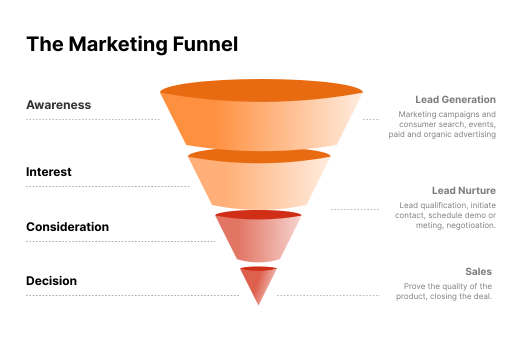
Demand generation is about building awareness and intent across the entire buyer journey, while lead generation is mainly about capturing contact details from people already showing some interest. Demand gen programs create and nurture demand through content, campaigns, and education; lead gen activities like forms, gated content, and outbound calls then capture that demand once people are ready to talk.
When do you need a demand generation agency?
A good b2b demand generation agency will help you clarify positioning, build the content and campaigns needed to create demand, and set up the analytics and revenue operations needed to prove impact on pipeline. If you already have strong branding and content strategy services in place, a demand gen partner can plug into that foundation and accelerate execution instead of rebuilding everything from scratch.

%201.png)



.svg)