%20(1).jpg)

.png)

Branding
Strategy
How to conduct competitor messaging analysis with template
January 23, 2026

Your tech buyers are already talking on X. Learn how to join those conversations with demos, opinions and proof, and how to test the channel in 12 weeks.

X is most useful early in the buying journey, when technical buyers discover products, discuss ideas and recommend tools.
LinkedIn gives B2B companies broader professional reach and a clearer path to lead generation. X gives tech companies access to smaller conversations led by founders, developers and product experts.
This makes X a good fit for developer tools, AI infrastructure, cybersecurity, data platforms and early-stage SaaS.
X brings technical buyers, founders and product experts into the same public conversations.
For a B2B tech company, that creates three opportunities:
LinkedIn helps B2B companies reach a broad professional audience and generate leads. X is better suited to smaller groups of technical people who discover, discuss and recommend products.
A founder can test an idea on X, learn from the replies and turn it into a LinkedIn post or article. The strongest teams build a B2B content strategy around the buyer’s questions and preferred formats, then adapt each idea to the channel.
A useful X post can become part of conversations elsewhere.
Referral traffic will not show that full path. Another channel may get credit for a lead that started on X.
Posts travel further when they contain one clear claim, a short demo, a specific result, a useful framework or a direct answer to a technical question.
B2B companies should share proof, clear opinions and answers based on experience. A founder account should still sound like the founder.
Four formats work well:
For complex topics, turn original research into content that helps buyers discover and understand the product.
Use a short demo to show one familiar task from input to output. Include only the details needed to understand the result.

Takeaway: make the outcome clear enough to share without an explanation.
Open with a problem your buyer already knows, then show how your product solves it. Keep the focus on the result, rather than listing features.

Takeaway: make the buyer feel understood before introducing the product.
Share the finding together with the sample, timeframe and definition behind it. This makes the number easier to trust and quote.

Takeaway: include enough context for someone to repeat the number accurately.
Share a customer proof that shows how the product changed their way of working. Linear uses Cursor’s story to show how a growing team moved from a loose process to a more structured workflow.

Takeaway: use a real customer experience to show what other teams can learn.
Share previews and useful insights before the announcement. On release day, explain what changed, show a demo and answer questions. X can support a wider SaaS product launch strategy, but it should not carry the whole campaign.

Takeaway: make launch day part of a conversation that has already started.
Start with ideas the company already has, such as customer questions, sales objections, product decisions and research.
This work can sit inside a B2B editorial calendar with distribution built in.
A founder or recognised expert should usually lead because people can respond directly to the person behind the product.
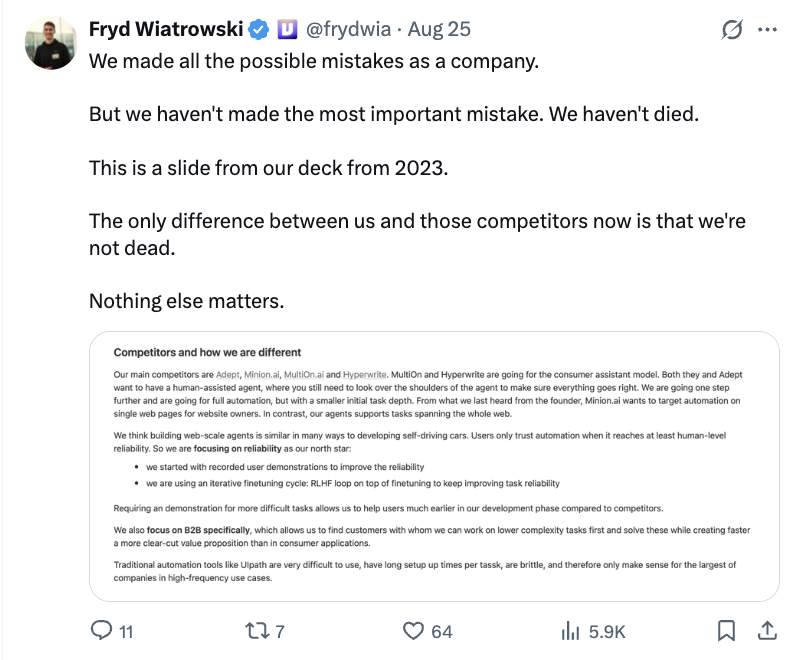
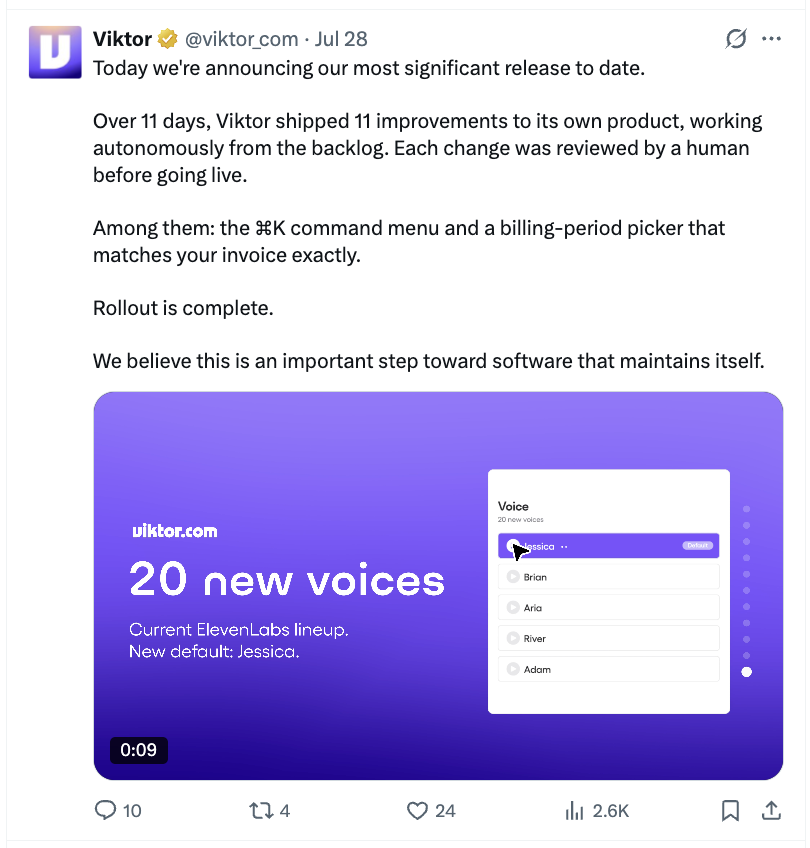
Ghostwriting can help when the ideas still come from interviews, voice notes and real experience.
Look at who pays attention, what conversations follow and whether the activity reaches the business.
Ask “Where did you first hear about us?” on forms and during sales calls. This gives you a fuller picture when measuring marketing activity.
A B2B brand should spend less time on X when its buyers are absent, nobody can join relevant conversations or the account will only share announcements.
LinkedIn, account-based marketing and direct sales often matter more when the buying group is large. Choose the channel mix around your audience, buying process and company stage, which are also key parts of a practical B2B marketing strategy.
Twelve weeks is a practical starting point. Adjust the pace to your team’s capacity.
Continue if the audience and conversations are worth the effort. If they are not, narrow the focus or choose another channel.
Apricot builds B2B content strategies that connect social media, thought leadership, SEO and demand generation. Each channel gets a clear job, so the right buyers can discover, understand and remember the product.
Explore Apricot’s B2B content strategy services or talk to us about your growth strategy.