
The Discovery of the Rosetta Stone
For centuries, Ancient Egypt's mysteries remained hidden in hieroglyphs—a lost language—until the Rosetta Stone unlocked its secrets, revolutionizing history.
In 1799, during Napoleon’s Egyptian campaign, French soldiers discovered a large black basalt slab in Rosetta (now Rashid). Standing 44 inches tall and weighing 1,600 pounds, this artifact later became the key to decoding hieroglyphs.
The Inscription: A Multilingual Key
What made the Rosetta Stone extraordinary was its inscription in three different scripts:
- Hieroglyphic: The sacred script used in religious & official texts.
- Demotic: A more common script used in daily Egyptian writing.
- Greek: The language of the ruling Ptolemaic government.
Since scholars could already read ancient Greek, they realized that the stone contained the same message in all three scripts.

The Inscription: A Multilingual Key
For decades, scholars worked to crack the linguistic puzzle. It was Jean-François Champollion, a French linguist, who made the breakthrough in 1822.
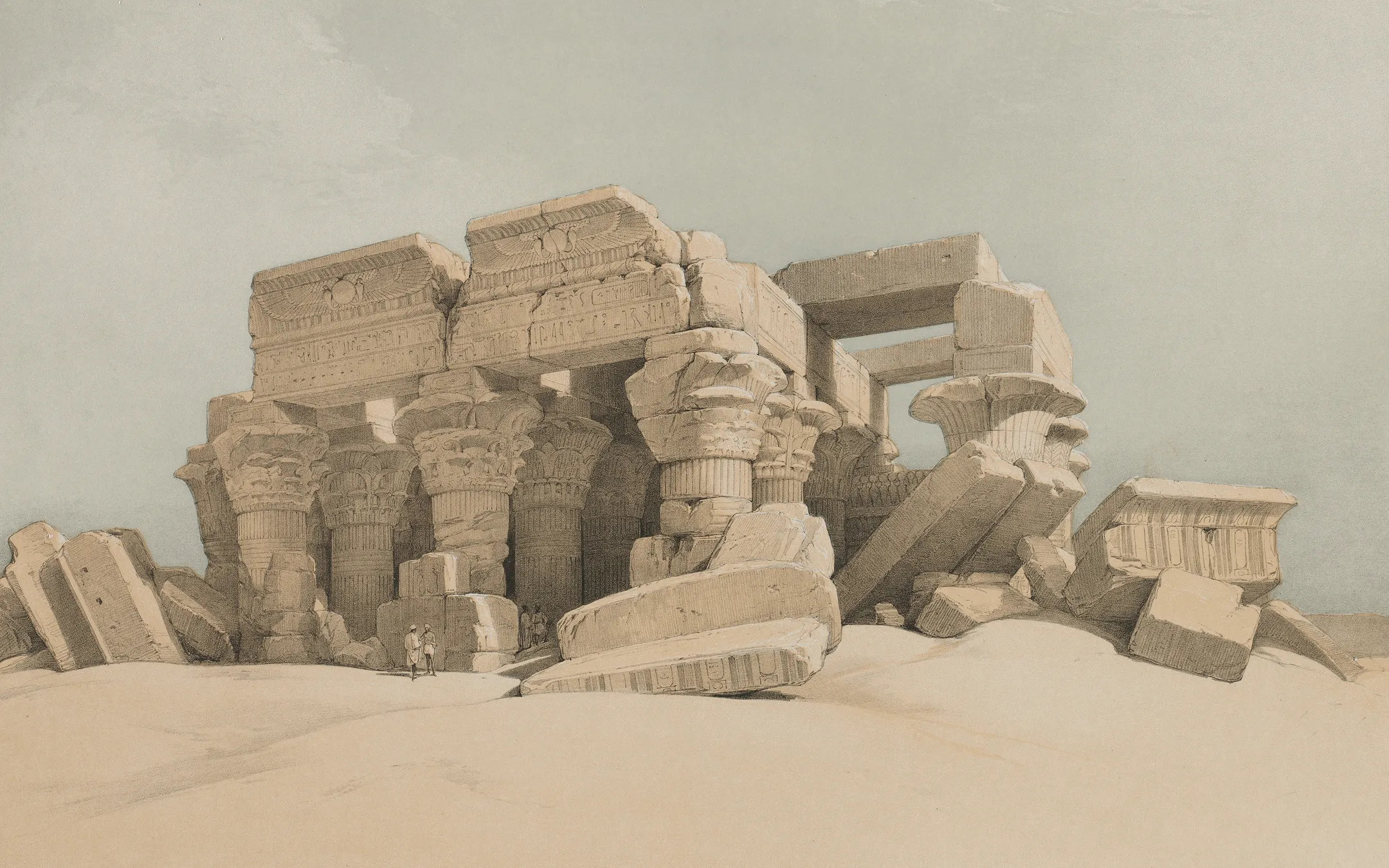
By comparing the Greek text to the hieroglyphs, he identified phonetic symbols corresponding to royal names like Ptolemy and Cleopatra.
By comparing the Greek text to the hieroglyphs, he identified phonetic symbols corresponding to royal names like Ptolemy and Cleopatra.

Why the Rosetta Stone Matters
The Rosetta Stone was instrumental in unraveling the history, culture, and religious beliefs of Ancient Egypt. Before its discovery, Egyptian history was largely based on fragmented accounts from Greek and Roman sources.
Top 5 Archaeological Discoveries of the 21st Century
March 16, 2025